


Plantation shutters have been a staple of American window treatments for decades, but design trends move fast, and it’s fair to ask whether a style this established still holds up in a home built or renovated in 2026. The short answer is yes, and the longer answer is worth understanding before you decide what goes on your own windows.
Why Plantation Shutters Have Stayed Popular
Plantation shutters are defined by their wide louvers, typically 2.5 to 4.5 inches, mounted in a solid frame that attaches directly to the window casing or wall. That wide-louver look is what separates them from older, narrower colonial shutters, and it’s also what keeps them from reading as dated. Wide louvers let in more light and offer a cleaner, more architectural line when they’re open, which is closer to how contemporary window design already leans. Unlike a lot of window treatments tied to a specific decade’s color palette or fabric pattern, plantation shutters are a hard-surface, neutral element. They don’t carry a trend-specific print or a seasonal color the way a curtain or a roman shade fabric does, so they age more like cabinetry or trim than like a decorating choice.
What’s Changed Is the Finish, Not the Format
Plantation shutters as a category haven’t gone out of style, but the finishes that read as current have shifted. Bright white and off-white remain the most common choice and still look fresh in most homes, especially with the wider, more minimal frames popular now. Where things have moved is toward matte and low-sheen finishes over the glossier painted looks common in the 2000s and 2010s, and toward stained wood tones (especially warmer, natural-looking stains) as an alternative to white in more traditional or transitional homes. Composite and vinyl shutters have also improved enough in texture and finish quality that they’re a common substitute for real wood in bathrooms, kitchens, and other high-moisture rooms, without looking obviously synthetic the way older composite products sometimes did.
Where Plantation Shutters Fit Best
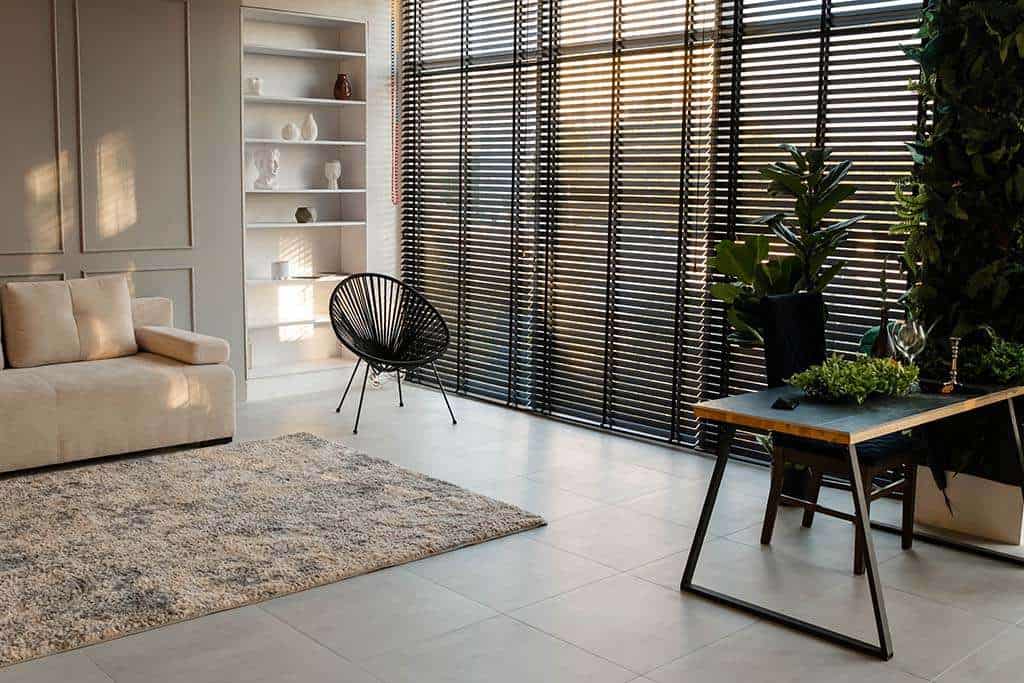
Plantation shutters read as most current in homes with a clean, architectural style: modern farmhouse, transitional, and traditional homes all use them well, and they’re a near-default choice in California and coastal design because of how well they handle bright, direct light. They work less naturally in highly minimalist or industrial interiors, where a flat roller shade or a simple flat panel tends to fit the aesthetic better than a dimensional shutter frame. That’s less about shutters being outdated and more about matching hardware style to the rest of a room, the same way you’d think about door hardware or light fixtures.
The Practical Case, Separate From Style
Part of why plantation shutters have held on isn’t purely aesthetic. They’re one of the most durable window treatments available, a well-installed hardwood or composite shutter can outlast several rounds of soft window treatments, which get replaced as fabric fades or a homeowner redecorates. They also affect resale value in a way soft treatments don’t; because they’re mounted to the window itself, plantation shutters are typically considered part of the home rather than a removable furnishing, and real estate listings frequently call them out as a feature. That combination of durability and being viewed as a built-in upgrade rather than decor is a big part of why the format has stayed in regular use across design cycles that have otherwise cycled through several rounds of curtain and blind trends.
So, Are They Still in Style?
As a category, yes. Plantation shutters aren’t tied to a specific era’s color story or pattern the way many soft window treatments are, and the wide-louver silhouette itself hasn’t meaningfully changed because it was never really about following a trend, it solved the problem of light control and privacy well from the start. What matters more than whether shutters in general are in style is picking the right frame width, louver size, and finish for the specific room and house, the same way you’d choose trim or cabinetry finishes to match a home’s overall look rather than asking whether trim itself is in style.
If you’re weighing plantation shutters against another window treatment for a specific room, reach out to Shade Shop and we can walk through what fits your home’s style and light.
Keeping Plantation Shutters Looking Current
Since plantation shutters are a long-term fixture rather than something swapped out every few years, a little upkeep goes a long way toward keeping them looking like a current choice rather than a dated one. Dusting louvers regularly with a microfiber cloth or a vacuum brush attachment prevents the buildup that makes shutters look tired well before the style itself does. Wood shutters in kitchens or bathrooms benefit from an occasional wipe-down to prevent grease or humidity buildup, and painted finishes can be spot-cleaned with a mild soap solution if they start to look dull. For homes holding onto an older shutter style, sometimes the fastest way to modernize a room isn’t replacing the shutters at all, it’s repainting the frame in a current finish or swapping worn hardware, which costs a fraction of full replacement.
Plantation Shutters FAQ
Do plantation shutters make a room feel smaller? Not typically. Because the louvers open to a fairly flat profile against the frame, plantation shutters actually take up less visual space than a bulky curtain stack or a valance, and light-colored finishes tend to make a window area feel more open, not less.
Are plantation shutters worth it if I’m planning to sell in a few years? Generally yes. Because shutters are mounted as part of the window rather than a removable furnishing, they’re commonly treated as a built-in feature in real estate listings, which is different from a curtain or shade that a buyer might expect to be replaced anyway.
Can plantation shutters work with a more modern or minimalist home? They can, especially with a slimmer frame profile, a matte finish, and a neutral color that doesn’t add visual weight. In very minimalist or industrial spaces, a flatter treatment like a roller shade sometimes suits the room better, but that’s a style match question rather than shutters being outdated.


Add comment