


Summary: Understanding the difference between window blinds and shades is essential when choosing window treatments. Blinds offer adjustable slats for precise light control, while shades provide a seamless, fabric-based look. Both can be manual or SMART-operated for modern convenience.
When it comes to enhancing your home’s style and functionality, choosing the right window treatments can make all the difference. Among the most popular options are window blinds and window shades. Understanding the key differences between them is essential for making the best choice for your space.
In this blog, we’ll explore the characteristics of both, breaking down the distinctions in the ongoing “window blinds vs shades” debate. Whether you’re curious about the difference between blinds and shades or looking for practical advice on selecting the right option, we’ve got you covered.
What Are Window Blinds?
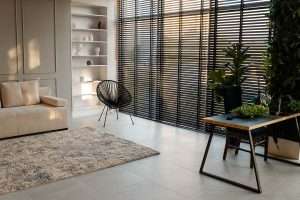
Window blinds are made up of individual slats, usually crafted from materials like wood, faux wood, aluminum, or vinyl. These slats can be tilted to control the amount of light entering a room, making blinds a highly versatile option for light management and privacy. With a simple twist of the wand or pull of a cord, you can adjust the angle of the slats or raise them entirely for an unobstructed view.
Blinds offer a sleek, structured look that complements various design styles, from modern to traditional. They are particularly well-suited for spaces where light control and durability are key, such as kitchens and bathrooms. If you’re comparing window blinds vs shades, blinds offer more precise control over light and privacy, thanks to their adjustable slats.
What Are Window Shades?
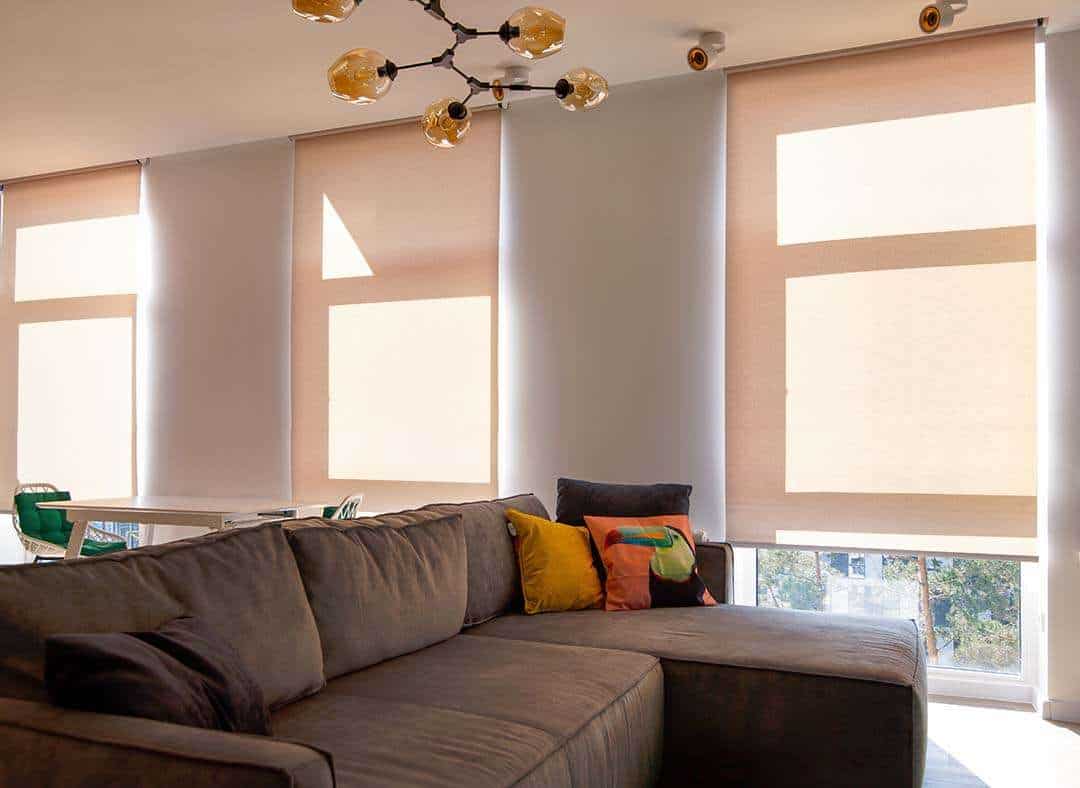
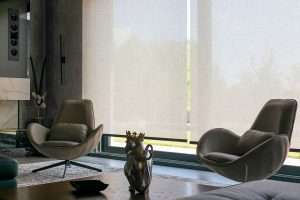
Window shades are made from a continuous piece of fabric or material that can be rolled or folded up and down to cover your window. Unlike blinds, shades do not have adjustable slats, which means they offer a softer, more streamlined look while still providing privacy and light control. Available in a variety of fabrics, colors, and styles—such as roller shades, Roman shades, or cellular shades—they can be tailored to fit both your aesthetic and functional needs.

Shades are ideal for creating a warm, cozy atmosphere. They allow for various levels of light diffusion depending on the material chosen, from sheer to blackout. When considering window shades vs blinds, shades are often preferred for spaces where you want a seamless look and soft, diffused light without visible slats or gaps.
Key Differences Between Blinds and Shades
While both window blinds and shades serve the same purpose—providing light control and privacy—they differ significantly in design, function, and style.
The most noticeable difference between blinds and shades is the structure. Blinds consist of individual slats that can be tilted or fully raised for precise light control, while shades are made from a single piece of fabric that rolls or folds up and down. This gives blinds a more adjustable nature, allowing you to angle light as needed, whereas shades offer a softer, more seamless appearance.
In terms of light control, blinds offer more flexibility with their tiltable slats, while shades provide varying degrees of light diffusion depending on the fabric. Privacy also differs: blinds can allow glimpses through their slats when tilted, whereas shades offer full coverage when closed.
Aesthetically, blinds give a more structured, tailored look, ideal for modern and traditional designs. Shades, on the other hand, provide a smooth, minimalist appearance, ideal for creating a cozy or elegant ambiance. When weighing “window blinds vs shades,” these functional and aesthetic differences are key considerations for selecting the right option for your space.
Choosing the Right Option for Your Space
When deciding between window blinds and shades, consider your specific needs in terms of light control, privacy, and style. If you prioritize precise light management, blinds may be the best choice, allowing you to tilt the slats for customized brightness throughout the day. Blinds are also ideal for high-traffic areas or rooms exposed to moisture, such as kitchens or bathrooms, due to their durability and easy-to-clean materials.
On the other hand, shades are perfect for spaces where you want a softer, more streamlined look. They offer a wide range of fabric options, from sheer to blackout, giving you control over how much light filters through. If creating a cozy or elegant atmosphere is your priority, shades can provide that seamless, tailored finish.
Ultimately, the choice comes down to your personal style and how you use your space. Whether you’re drawn to the structured versatility of blinds or the soft sophistication of shades, each option can be tailored to elevate your home’s aesthetic.
Traditional Blinds and Shades vs SMART Blinds and Shades
Traditional blinds and shades offer timeless functionality and style, giving you control over light and privacy with manual adjustments. However, SMART blinds and shades bring added convenience and innovation. With SMART technology, you can automate your window treatments to open and close on a schedule, control them remotely via an app, or even sync them with voice-activated systems like Sonos or Google Home. This seamless integration enhances both comfort and energy efficiency, offering a modern solution for today’s homes.
Ready to explore SMART window treatments for your space? Schedule a free in-home consultation today to discover how technology can elevate your home’s design.




Add comment