

How Much Do Window Shades Cost? A Price Guide by Type
Window shades can cost very little or quite a lot, and the gap comes from a handful of choices you make before you ever look at a price tag. This guide explains what moves the price, how each type of shade compares with the others, and where spending more pays you back. We describe cost in relative tiers because the real number depends on your window sizes, your fabric and the options you pick. The only way to get an exact figure is to measure your windows.
What decides the price of a window shade
Five things do most of the work. If you understand them, any quote you receive becomes easier to read.
- Window size. A wide window needs more fabric, a longer headrail and a sturdier mechanism. Two shades of the same type can sit in very different price brackets just because of width and height.
- Fabric. Light filtering, blackout, sheer solar and decorative woven fabrics are priced differently. Blackout and specialty fabrics usually cost more than a plain light filtering weave.
- Type and construction. A roller shade has a simple build. A Roman shade has folds and lining. A cellular shade has a layered, pleated structure. More material and more assembly means a higher price.
- How it operates. A cordless lift, a continuous loop, a wand and a motor all sit at different points on the scale. Motorization is the biggest step up, and our guide to motorized shade costs covers it in detail.
- Measuring and installation. A shade that fits the frame exactly looks better and works better. Professional measuring and installation protect the result.
Cost by type of shade
Roller shades
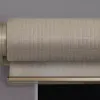
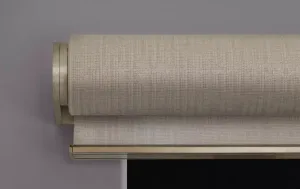
Roller shades are the simplest custom shade, so they usually sit toward the lower end of the range. The fabric wraps around a tube, and the mechanism is straightforward. You can choose light filtering fabric to soften sun, or blackout fabric for bedrooms and media rooms. Browse the roller shades collection to see the options side by side.
Cellular shades
Cellular shades, also called honeycomb shades, trap air in rows of cells, which helps slow heat moving through the glass. That structure takes more material and more work to build, so they usually land in the middle of the range. Many homeowners treat them as a long term purchase because of the insulation they add. Our guide on what cellular shades are explains how the cells work, and you can see current options in the cellular shades collection.
Roman shades
Roman shades fold into soft pleats when raised and lie flat when lowered. They use more fabric and often a lining, which pushes them toward the middle or upper part of the range. People choose them for the look, especially in living rooms, dining rooms and bedrooms. See the Roman shades collection for fabrics and styles.
Sheer solar shades
Sheer solar shades use an open weave that cuts glare and heat while keeping your view. Their price follows the same logic as other roller style shades: size, fabric and operation decide most of it. You can compare them in our sheer solar shades collection.
Outdoor shades
Outdoor shades are built to handle sun, wind and weather, with fabrics and hardware chosen for that job. Expect them to sit higher on the scale than indoor roller shades of a similar size. For patios and porches the shade also protects the furniture and floor, which is part of its value. The outdoor shades collection shows what is available.
Motorized shades
A motor can be added to many shade types. It raises the price, and it also changes how you use the shade every day. Windows that are hard to reach, very wide or very tall get the most benefit. If you are deciding where a motor earns its place, our room by room guide on whether motorized shades are worth it will help.
Custom shades and ready made shades
Ready made shades come in a few standard sizes and cost less at the register. The trouble is that windows rarely match standard sizes. A shade that is too narrow lets light leak at the sides, and one that is too wide will not fit the frame. Custom shades are cut to your exact measurements, so the fit is clean and the fabric choice is wide. For a window you look at every day, the custom route usually gives you a better result for the money.
What measuring and installation add
Accurate measurements are what keep a custom shade from becoming an expensive mistake. If you plan to measure yourself, our guide on how to measure your windows for new shades walks through it step by step. If you would rather have someone else do it, Shade.Shop offers free in home measuring across Sonoma, Napa and Marin, so the numbers are right before anything is ordered.
Where to spend and where to save
A simple way to plan a budget is to rank your windows by how much they matter in daily life.
- Spend more on the windows you see and use most, such as the living room, the primary bedroom and any large glass door. Better fabric and easier operation pay off here every day.
- Add a motor where reaching the shade is awkward: tall windows, wide sliding doors and skylights.
- Save on small, rarely used windows, where a simple cordless roller shade does the job well.
- Match the fabric to the room. Blackout where you sleep, light filtering or sheer solar where you want daylight.
How to get an exact quote
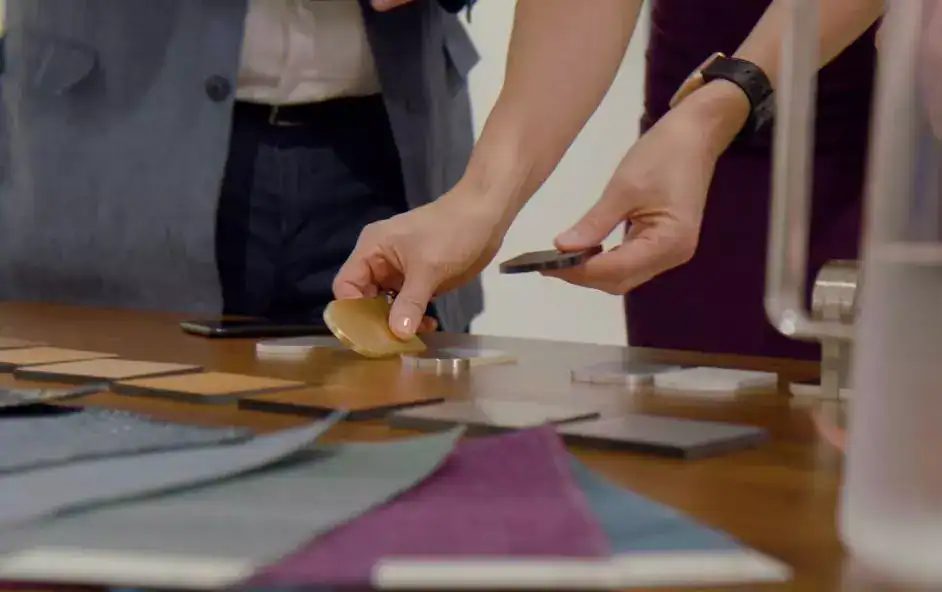
Start by choosing a type and a fabric you like. Order free swatches so you can see the color and texture in your own light. Then ask us to measure. With the measurements and your choices, we can give you a price for each window rather than a rough guess. Shade.Shop works throughout the areas listed on our service areas page, and every project begins with a free consultation.
Frequently asked questions
Are custom window shades worth the cost?
For most windows people see and use every day, yes. Custom shades fit the frame exactly, give you a wide choice of fabrics and operate smoothly. Ready made shades can make sense for a small, low priority window.
Which type of shade is the cheapest?
Roller shades are generally the most affordable custom option because the construction is simple. Cellular and Roman shades usually cost more, and outdoor and motorized shades sit higher still.
Does the fabric change the price a lot?
It can. Blackout, specialty and woven decorative fabrics usually cost more than a standard light filtering fabric. Size and operation matter as well, so compare fabrics at the same window size.
Do motorized shades cost much more?
A motor adds to the price of any shade, and the amount depends on the type of motor and how it is controlled. Our motorized shades cost guide breaks down what to expect.
Does Shade.Shop charge for measuring?
No. In home measuring is free in Sonoma, Napa and Marin. You can book a free measuring visit and we will take care of the rest.
Ready to put numbers on your own windows? Schedule free measuring or order free swatches and we will help you choose.
Living in Santa Rosa? Shade.Shop offers free in home measuring and installation for window shades in Santa Rosa, and across Sonoma, Napa and Marin.