


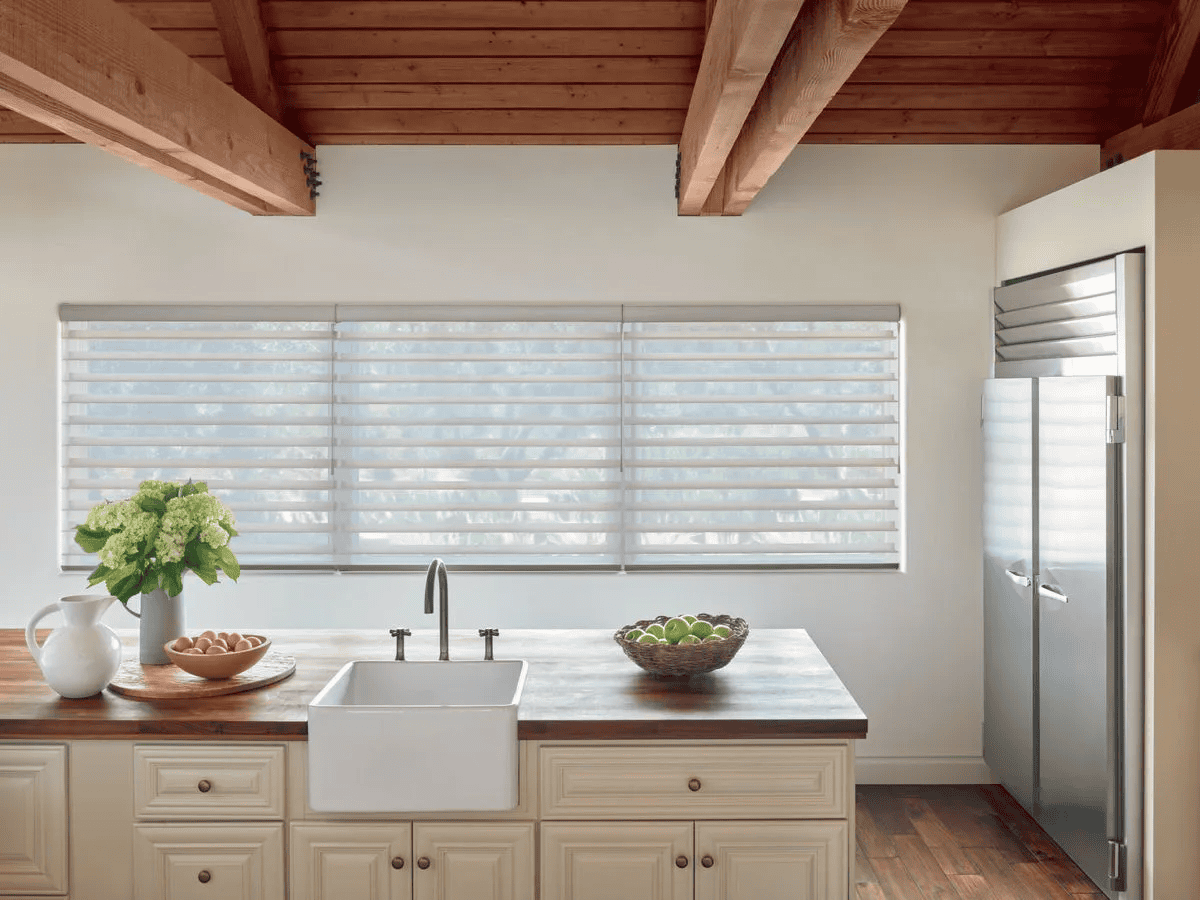
What Are Cellular Shades Made Of?
Cellular shades look simple from the outside: a soft fabric panel that folds up neatly and traps a bit of air in the process. Underneath that simple look there is a clever structure and a handful of materials, each chosen for a reason. If you are comparing shades, planning a repair or just curious, this guide explains what cellular shades are made of, from the pleated fabric to the headrail, the cords and the motor, and how those materials change the way a shade looks, blocks light and insulates a window.
The short answer
Most cellular shades are made of pleated polyester or similar non woven fabric that is folded and bonded into rows of hollow cells. The fabric hangs from an aluminum or plastic headrail at the top, ends in a bottom rail, and is raised and lowered with cords, a cordless spring system or a small motor. The hollow cells give the shade its honeycomb look and are what make it a good insulator.
The fabric
The fabric is the part you see and touch, and it does most of the work. Manufacturers use polyester or polyester blends because the material holds a crease, resists stretching and does not fade quickly. The fabric is usually a non woven material, which means the fibers are pressed and bonded together instead of woven on a loom. That gives a smooth, uniform surface that is easy to pleat and cut to size.
You will see the fabric described in three common ways.
- Sheer or light filtering: a thin fabric that softens the sunlight and keeps the room bright. You can still see a glow through it during the day, so most people choose it for living rooms and kitchens.
- Room darkening: a thicker fabric that blocks most of the light while still showing a faint outline of the window at the edges.
- Blackout: a fabric with a light blocking layer built into the cell wall, made for bedrooms, nurseries and media rooms.
Some shades also use a metalized or reflective layer on the back of the fabric. It reflects heat and light and helps the shade work better in rooms that get strong sun.
The cell structure
The word cellular comes from the shape of the fabric. The fabric is pleated and bonded so each fold forms a hollow tube, and the tubes are stacked on top of each other from the headrail to the bottom rail. In a cross section, they look like a honeycomb, which is why cellular shades are also called honeycomb shades. Our guide to what cellular shades are covers the full picture.
The cells come in two main layouts.
- Single cell: one row of cells from top to bottom. It is lighter, takes less space when raised and costs less.
- Double cell: two layers of cells, one behind the other. It traps more air, so it insulates better, and it is a common choice for rooms that get cold in winter or hot in summer.
Cell size matters too. Smaller cells look more delicate and suit small windows. Larger cells look bolder and work well on wide windows. The size does not change how the shade works, only how it looks.
The headrail and bottom rail
The headrail is the box at the top that holds the mechanism and clips into the brackets on the wall or window frame. It is usually made from aluminum, which is light, strong and does not rust. Some budget shades use a plastic headrail. The bottom rail is the bar at the bottom that weighs the shade down and gives you something to grip. It is often aluminum as well, with a fabric or metal cover that matches the shade. If you want to see how the headrail attaches, our guides on how to hang cellular shades and how to remove cellular shades show the brackets in detail.
The lift system
How a shade moves depends on what is inside the headrail.
- Corded: strings run through the cells and lock in place with a small cord lock. Corded shades are simple and reliable, but cords need to be kept out of reach of children and pets.
- Cordless: a spring or friction system lets you lift the bottom rail by hand. There are no loose cords, which makes cordless shades popular for homes with kids.
- Top down bottom up: two rails and two sets of cords or springs let you lower the top of the shade as well as raise the bottom. You get light and privacy at the same time.
- Motorized: a small motor in the headrail moves the shade with a remote, an app or a schedule. Our article on motorized shade battery life and maintenance explains how these systems are powered.
The cords themselves are usually polyester or a similar strong synthetic string, and the little parts in the cord lock are plastic and metal. These are the pieces that wear first, which is why a shade that will not stay up is often a lift system problem and not a fabric problem. If you are dealing with one, our guide to how to fix cellular shades that will not work walks through the common causes.
How the materials affect light and insulation
Every material in the shade affects how it performs.
- Fabric thickness and color: thicker and darker fabrics block more light, while light colors give a softer glow.
- Number of cell layers: double cell shades trap more air than single cell shades, so they slow heat moving through the glass.
- Reflective backing: a metalized layer reflects heat and helps in strong sun.
- Fit: the best material cannot help if the shade leaves big gaps at the sides. A tight inside mount or a wide outside mount keeps the air layer in place.
If you are comparing options for energy savings, a double cell shade with a blackout or reflective layer is usually the strongest choice. If you want daylight and a soft look, a single cell light filtering shade is hard to beat.
Cleaning and durability
Polyester fabric is forgiving. Most dust comes off with a soft brush, a feather duster or a vacuum on a low setting. Light stains can be spot cleaned with a damp cloth and mild soap. Avoid soaking the fabric, because water can leave marks and weaken the bond between the folds. With normal use, many cellular shades last around ten years or more, and sun exposure is the biggest factor that shortens that life.
Choosing the right materials for your home
Think about the room first. Bedrooms usually call for a blackout fabric, and living rooms often work best with light filtering. If you want better insulation, ask about double cell. If you have children or pets, choose cordless. If the windows are tall or hard to reach, consider a motorized lift. You can see the available styles on our cellular honeycomb shades page, and our free measuring service makes sure the shade fits the window. Shade.Shop serves homes across Sonoma, Napa and Marin, and you can see our service areas or contact us with any questions.
Frequently asked questions
What fabric are cellular shades made of?
Most are made of polyester or a polyester blend, often a non woven fabric that is pleated and bonded into hollow cells.
Are cellular shades the same as honeycomb shades?
Yes. Cellular and honeycomb are two names for the same shade, called that because the cells look like a honeycomb from the side.
What is the difference between single and double cell shades?
A single cell shade has one row of cells and a double cell shade has two. The second layer traps more air, so it insulates better, and it also adds a little weight and cost.
Are cellular shades good for insulation?
Yes. The hollow cells trap air against the window, which slows the movement of heat in and out of the room. Double cell shades and shades with a reflective backing do this best.
What is the headrail made of?
The headrail is usually aluminum, and some lower cost shades use plastic.



Add comment