


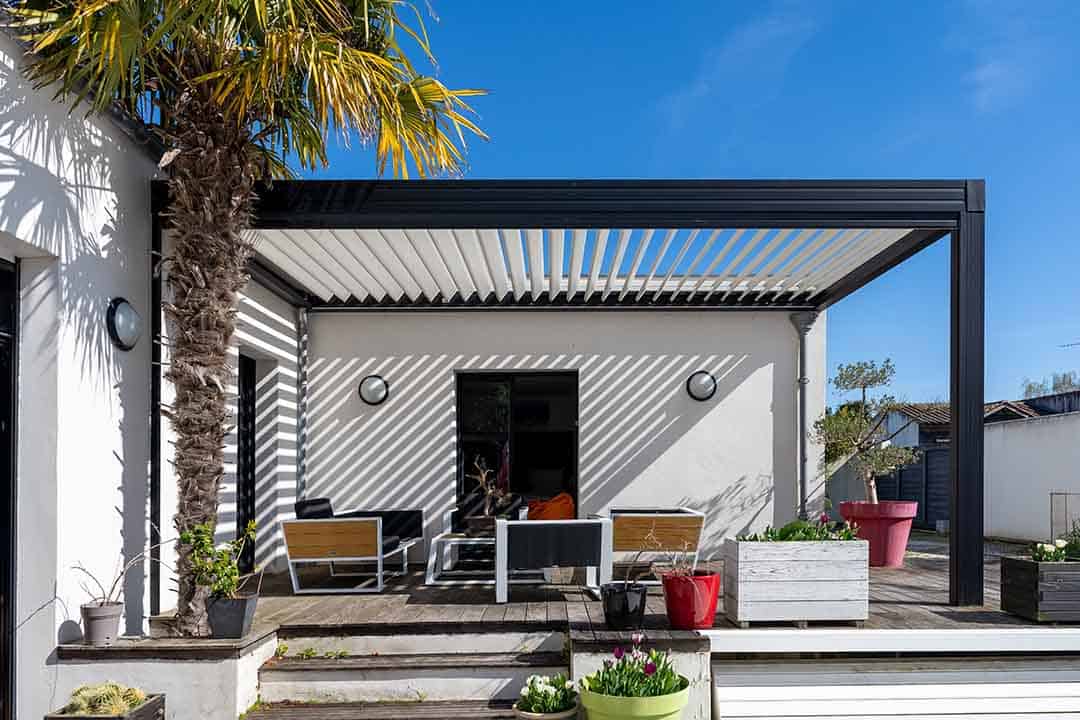
How to Choose the Right Outdoor Patio Screens for Sonoma
Why Sonoma Homeowners Are Adding Outdoor Patio Screens
Outdoor living is central to the Sonoma lifestyle. From spring through late fall, patios and outdoor kitchens serve as the primary gathering space for family dinners, wine country entertaining, and long weekend afternoons. But the same climate that makes this region so desirable also brings challenges: intense afternoon sun off the valley floor, strong winds through the gaps in the hills, evening fog that drops temperatures fast, and a wildfire smoke season that grows longer every year. Outdoor patio screens Sonoma homeowners are installing give them a way to manage all of these conditions without enclosing the space. A good screen system blocks wind, filters UV, keeps insects out during evening hours, and creates a barrier against smoke and ash when fire season arrives. For homeowners who have invested in an outdoor kitchen, built-in seating, or entertainment system, screens are the finishing layer that keeps those spaces usable when conditions would otherwise push everyone inside. Demand for outdoor patio screens Sonoma County has grown steadily in recent years. Worsening fire seasons, longer stretches of valley heat, and the trend toward fully designed outdoor rooms have moved patio screens from a niche product into a standard component of high-end projects across Sonoma, Napa, and Marin County.
Fixed vs Retractable Screens: Which Is Right for Your Patio?
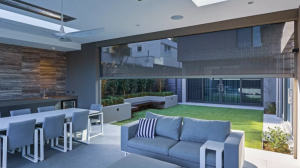
The first decision most homeowners face when shopping for outdoor patio screens Sonoma properties need is whether to install a fixed screen system or a retractable one. The right choice depends on how you use your patio and what you need the screens to do. Fixed screens mount permanently to the structure and provide constant protection. They work well for screened-in porches, pool enclosures, and spaces where you always want insect protection or wind reduction. The drawback is that fixed screens are always visible. On a calm October evening when you want an unobstructed view of the hills, the screen stays in place regardless. Retractable patio screens offer far more flexibility. These systems roll up into a discreet housing at the top of your patio opening, deploying only when conditions call for it. On a still morning, the screen stays tucked away. When the afternoon wind picks up or the insects arrive at dusk, you lower it in seconds. Retractable patio screens have become the dominant choice for higher-end outdoor spaces across Sonoma and Napa because they preserve the open feel while delivering on-demand protection. Most use either a spring-loaded cassette or a motorized drive, housed in powder-coated aluminum that can be color-matched to your trim or pergola. Quality systems from established manufacturers use side-channel guides or tension cables to keep the mesh taut and stable, even in moderate wind.
Manual vs Motorized: What’s the Real Difference?
Manual retractable screens use a pull bar or crank handle. You physically pull the screen down and latch it into a bottom rail. They cost less upfront and have fewer components that could require service. For a single small opening, a manual screen can be perfectly adequate. Motorized outdoor screens change the experience entirely. A tubular motor inside the roller housing raises and lowers the screen at the push of a button through a wall switch, remote, or smart home app. If you have a large patio opening, multiple screen bays, or screens mounted at heights that are hard to reach, motorized operation is not a luxury. It is a practical necessity. Motorized outdoor screens also open the door to automation, which matters significantly in a climate like Sonoma’s. When screens connect to a smart home system, they can respond to weather conditions on their own: retracting before a high-wind event, lowering when the temperature crosses a set threshold, or deploying at a scheduled time each evening. We cover this integration in detail below. The cost difference between manual and motorized is real but not as dramatic as most homeowners expect. Your installer can break down the exact premium for your configuration during a consultation.
Choosing the Right Mesh and Solar Screen Percentage
The mesh fabric is the most important functional component of any patio shade screen. It determines how much light passes through, how much heat the screen blocks, how well it reduces wind, and how clearly you can see through it from inside. Patio shade screens are rated by openness factor, expressed as a percentage. A 1% screen blocks roughly 99% of UV and significantly reduces glare and heat gain. A 5% screen still blocks most UV but allows more natural light and airflow. A 10% screen feels much more open but provides less heat and wind protection. For most outdoor patio screens Sonoma installations, a 3% to 5% openness factor hits the right balance. These densities block enough sun to keep a west-facing patio comfortable through the hottest part of the afternoon, reduce wind velocity to a meaningful degree, and still allow a pleasant outward view. Homeowners who prioritize an unobstructed sightline toward vineyard rows or hillside landscapes typically lean toward 5%. Those dealing with severe west-facing exposure or aiming for a more enclosed, room-like atmosphere on a covered patio may prefer 3% or even 1%. Fabric color also affects performance. Darker colors (charcoal, black, bronze) reduce glare more effectively and provide better outward visibility. Lighter colors (linen, sand, gray) reflect more solar heat. Your installer should show you samples in the actual light conditions on your patio, because the same fabric looks and performs very differently depending on orientation. For homeowners whose primary concern is insect protection, dedicated insect mesh is a separate product category. Insect screens use a much finer weave that blocks bugs but provides minimal UV filtering or wind reduction. Some systems allow seasonal swaps between solar mesh and insect mesh, though most homeowners who need both functions install separate screen tracks.
What Outdoor Patio Screens Cost in Sonoma County
Pricing for outdoor patio screens Sonoma homeowners choose from varies based on screen type, size, mesh, motorization, and installation complexity. Several factors drive the final number: whether you choose manual or motorized operation, the openness factor and grade of the mesh fabric, how many screen bays you need, and whether you want smart home integration with weather sensors. A single-bay screen for a standard patio opening costs significantly less than a full multi-bay enclosure spanning 30 or 40 feet. Motorized screens carry a premium over manual, and adding automation through Lutron, Control4, or Savant adds a further layer depending on the scope of programming. Because every patio is different in size, structure, and exposure, the most accurate way to understand cost is through a free in-home consultation where we measure your specific openings and walk through your options. We provide a detailed, itemized quote with no obligation so you can compare configurations and make an informed decision. One thing to keep in mind when comparing quotes: online pricing for uninstalled screen kits looks significantly lower, but excludes professional measuring, structural mounting, electrical work, trim finishing, and the warranty support that comes with a full-service installation.
Wind, Weather, and Smart Home Integration
Wind is the number-one concern homeowners raise when considering outdoor patio screens Sonoma properties need. The region’s geography funnels strong afternoon winds through valleys and across exposed hillside properties, and a screen system that cannot handle those conditions is a liability rather than an asset. Quality motorized outdoor screens from reputable manufacturers carry wind ratings between 50 and 75 mph when fully deployed. Side-channel guide systems, which lock the fabric edges into aluminum tracks on both sides of the opening, perform significantly better in wind than tension-cable systems. For properties with known high-wind exposure, side-channel guided screens are the standard recommendation. Smart home integration takes wind management further. When your screens connect to a home automation platform like Lutron, Control4, or Savant, you can pair them with an on-site anemometer that triggers automatic retraction when wind speeds exceed a set threshold. This protects the screens from damage during sudden gusts and eliminates the worry of forgetting to retract them before a storm. The same automation logic can manage patio shade screens based on temperature, sun position, time of day, or air quality index during fire season. A typical setup lowers screens automatically at 3:00 PM on summer afternoons when the sun hits the patio, retracts them at sunset, and deploys them any time the AQI climbs above a programmed level. This is where Shade.Shop’s background as a licensed smart home integrator becomes a real differentiator. Most screen installers can mount the hardware. Very few can program the automation, wire the sensors, and bring screens into a unified control system alongside your lighting, audio, climate, and security. No other outdoor patio screens Sonoma County provider offers that level of integration as part of the installation. One recent project illustrates what this looks like in practice. A homeowner in the Sonoma Valley had a covered patio with a full outdoor kitchen facing west, directly into the prevailing afternoon wind. Three motorized screen bays spanning 36 feet were installed with 5% solar mesh in dark bronze. The screens integrated into the home’s existing Control4 system, with a roofline wind sensor and temperature-based scheduling for afternoon deployment. A patio that had been unusable after 2:00 PM on windy summer days became the household’s primary entertaining space from April through October.
What to Expect During Installation
Professional installation of outdoor patio screens Sonoma properties require follows a straightforward process. It starts with a free in-home consultation where your installer assesses the patio structure, measures each opening, evaluates wind exposure and sun angles, and discusses your priorities: sun control, wind protection, insect screening, privacy, or a combination. Your installer then presents product recommendations with fabric samples, color options, and a detailed quote. Once you approve the project, screens are ordered and typically arrive within three to six weeks depending on custom sizing or finish requirements. Installation usually takes one day for a standard two- to three-bay system. Mounting brackets attach to the header beam or fascia of your patio cover. Electrical wiring for motorized screens routes to a nearby junction box or dedicated circuit. The installer programs motor limit switches, then configures wall keypads, remotes, or smart home connections. At Shade.Shop, every installation is performed by our own technicians, not subcontractors, and every system carries a full warranty on both product and labor.
FAQ
What’s the difference between a solar screen and an insect screen?
Solar screens use a heavier, coated mesh designed to block UV, reduce heat gain, and cut glare. They are rated by openness factor, typically 1% to 10%. Insect screens use a much finer, lighter mesh engineered to keep bugs out while allowing maximum airflow and visibility. Solar screens provide some incidental insect protection, but a dedicated insect screen performs significantly better against bugs with less impact on your view.
Can outdoor patio screens Sonoma homes handle wind conditions?
Yes, provided you select a system rated for your property’s wind exposure. Side-channel guided screens carry ratings for sustained winds of 50 to 75 mph and perform well in the strong afternoon valley winds common across the region. Tension-cable systems handle moderate wind but are not ideal for exposed hilltop or valley-gap sites. A proper site evaluation before installation is essential.
Do motorized screens need to be manually retracted before storms?
Not if they are paired with a wind sensor. An anemometer connected to your automation system triggers automatic retraction when wind speeds exceed a safe threshold. Without a sensor, best practice is to retract screens before high winds or severe weather. You can also retract them remotely through a smart home app if you are away from home.
How much do outdoor patio screens Sonoma installations cost installed?
Cost depends on the number of screen bays, opening size, mesh type, manual vs motorized operation, and whether you add smart home integration. The best way to get an accurate number is through a free in-home consultation where we measure your openings and present options at each price level. Every quote includes professional measuring, installation, and warranty.
Can patio screens be controlled by my smart home system?
Yes. Motorized screens integrate with Lutron, Control4, and Savant for control through wall keypads, touchscreens, voice assistants, or mobile apps. With the right sensors and programming, screens can operate automatically based on time, temperature, wind speed, or air quality. This level of integration requires an installer with smart home expertise, which is a core part of what Shade.Shop provides as a division of Digital Living.
Ready to Extend Your Outdoor Season? Schedule a Free Consultation
Choosing the right outdoor patio screens Sonoma homes need means balancing sun control, wind protection, aesthetics, automation, and budget. The best way to start is with a free in-home consultation where we assess your patio, show you fabric and color samples in your actual light, and provide a detailed quote tailored to your space. Shade.Shop has been helping homeowners across Sonoma, Napa, and Marin County design and install premium shading solutions for over 35 years. Every project is measured, installed, and supported by our own team of technicians. Contact us today to schedule your free consultation and find out how outdoor patio screens Sonoma County properties rely on can transform the way you use your outdoor space, every season.


Add comment