


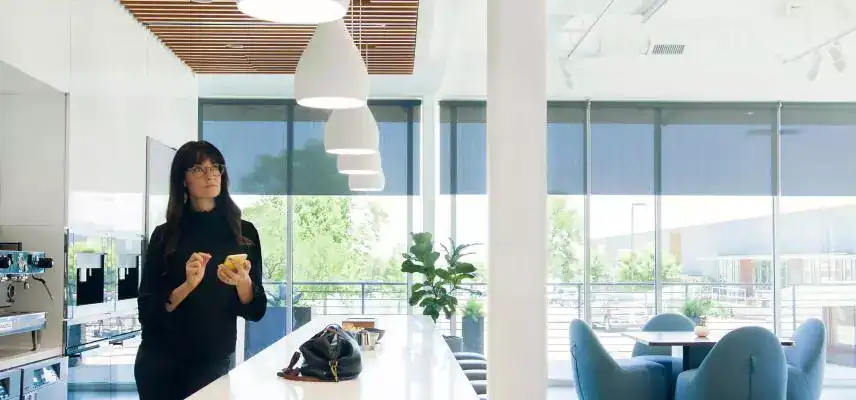
Window Treatments That Reduce Heat Gain on South-Facing Windows
Why South-Facing Windows Are a Heat Gain Problem in Wine Country
If you own a home in Sonoma, Napa, or Marin County, you already know the problem. Those big south-facing windows that frame vineyard views and fill the room with natural light turn your living room into a greenhouse by mid-afternoon in July. South-facing glass receives direct solar exposure for most of the day during summer months. In Wine Country, where temperatures regularly push past 90°F and cloud cover is rare from May through October, that sustained exposure drives interior temperatures well above what your HVAC system was designed to handle. The result is hot rooms, cycling air conditioners, and energy bills that climb right along with the thermometer. Many homeowners assume their dual-pane or low-E glass is enough. It helps, but even high-performance glazing transmits a significant portion of solar energy into your home. The right window treatments that reduce heat gain on south-facing windows can cut that transmitted energy by 40% to 77%, depending on the product and installation method. That is a meaningful difference, and it starts with understanding how solar heat actually moves through glass.
Understanding Solar Heat Gain Coefficient (SHGC) and Openness Factor
Two numbers matter most when you shop for heat gain window treatments: the solar heat gain coefficient and the openness factor. Solar heat gain coefficient, or SHGC, measures how much solar radiation passes through a window or window covering on a scale from 0 to 1. A bare single-pane window might have an SHGC around 0.85, meaning 85% of the sun’s energy passes straight through. A quality low-E dual-pane window drops that to roughly 0.25 to 0.30. Adding the right window treatment can push the combined assembly SHGC below 0.15. Openness factor applies specifically to solar screen and roller shade fabrics. It describes the percentage of the fabric that is open weave, allowing light and air to pass through. A 1% openness fabric blocks far more heat and glare than a 5% or 10% fabric, but it also cuts your view and natural light more aggressively. Most homeowners in our area settle on 3% to 5% openness as the best balance between heat control and visibility. When evaluating south-facing window shades, always ask for the SHGC rating of the complete assembly (glass plus treatment), not just the fabric alone. The SHGC of the combined system tells you what will actually happen in your home, and it is the only number that matters when comparing products.
Cellular Shades: The Energy Efficiency Standard
Cellular shades, also called honeycomb shades, remain the top-performing interior option to reduce heat gain through windows. Their structure creates one or more air pockets between the window glass and your room, and those trapped air layers act as insulation against both heat gain in summer and heat loss in winter. A single-cell cellular shade typically reduces solar heat gain by 40% to 50% compared to bare glass. Double-cell shades push that number closer to 60%. When paired with a low-E window, the combined system can achieve an effective SHGC below 0.12, which represents serious thermal performance. Cellular shades energy efficiency extends beyond summer cooling. The same insulating air pockets that block heat gain in July slow heat loss in January. DOE studies show that cellular shades can reduce heat transfer through windows by up to 40% in winter, which makes them a year-round investment rather than a seasonal fix. The tradeoff is view. Fully lowered cellular shades block your sightline entirely. For south-facing windows where you want both heat control and a view, many homeowners choose a top-down/bottom-up configuration that lowers the shade from the top to block the sun’s highest angle while keeping the bottom portion open. This approach works especially well in the afternoon when south-facing sun exposure is most intense.
Solar Screens and Exterior Shades: Blocking Heat Before It Reaches the Glass
Here is a principle that changes how you think about reduce heat gain window treatments: blocking heat on the outside of the glass is dramatically more effective than blocking it on the inside. When solar energy hits an interior shade or blind, some of that energy absorbs into the fabric and re-radiates into your room as heat. The shade helps, but a portion of the thermal load still gets in. An exterior solar screen or shade intercepts that energy before it ever reaches the glass, rejecting it back outside where your cooling system never has to deal with it. Exterior motorized screens with a 3% openness factor can reduce heat gain on windows by 65% to 80%, depending on fabric color and density. Darker fabrics absorb more heat but also reduce glare more effectively. Lighter fabrics reflect more energy but create slightly less visual contrast for outward visibility. For Sonoma and Napa homes with expansive south or west-facing window walls, exterior shading solutions often deliver the single biggest comfort improvement available. They also preserve daylight better than you might expect. A well-chosen exterior solar screen still lets you see the landscape clearly while cutting the thermal load on your glass by the majority. The practical consideration is exposure. Exterior shades face wind, rain, and UV degradation, so product quality and proper installation matter far more than they do for interior treatments. This is where professional-grade products and experienced installation make a real difference in long-term performance.
What Doesn’t Work as Well (and Why)
Not all window coverings perform equally when the goal is to reduce heat gain on windows facing direct sun. Some popular options underperform significantly. Standard aluminum mini-blinds reflect some light when closed, but they also absorb heat and re-radiate it into the room. Studies from the DOE show that interior blinds reduce solar heat gain by only about 25% to 35%. That is better than nothing, but it falls far behind cellular shades or solar screens. Basic curtains and drapes vary wildly depending on fabric, lining, and color. A white-backed, tightly woven drape can perform reasonably well, cutting heat gain by 33% to 45%. But most decorative curtains have open weaves, dark colors, and no thermal lining, which limits their real-world impact to perhaps 15% to 20%. Interior plantation shutters offer modest improvement over blinds because their thicker material provides some insulation, but they still rank below cellular shades for pure thermal performance. Their strength is durability and aesthetics, not heat blocking. Window film deserves a mention here because homeowners often ask about it as an alternative. Film reduces SHGC effectively (typically by 30% to 50%), but it changes the appearance of your glass, may void window warranties, and does nothing for insulation. In many cases, pairing film with the right shading product on south-facing glass delivers a better combined result than either solution alone.
How Much Heat Reduction Can You Actually Expect?
We do not make exaggerated claims about the ability to reduce heat gain on windows because the results depend on too many variables: your glass type, window orientation, exposure duration, frame material, and how consistently the treatments stay deployed during peak hours. Here are realistic, defensible ranges based on DOE data and our installation experience across Sonoma and Napa County homes: Interior cellular shades (double cell, fully lowered): 45% to 60% heat gain reduction over bare glass. Interior solar roller shades (3% openness): 35% to 55% reduction. Exterior motorized screens (3% openness): 65% to 80% reduction. Standard interior blinds: 25% to 35% reduction. One project from last year shows what these numbers mean in practice. A homeowner in Sonoma had a great room with a 16-foot south-facing window wall. By mid-afternoon in summer, the room consistently ran 8 to 10 degrees warmer than the rest of the house, and the AC cycled almost continuously from noon to 6 PM. We installed dual-cell cellular shades on six of the windows and exterior motorized solar screens on the two largest fixed panels. Within the first week, the homeowner reported that the room temperature equalized with the rest of the house and the AC cycling dropped noticeably. Their July energy bill came in 22% lower than the previous year, though we should note that temperatures also varied slightly between the two summers. That is a realistic outcome. No single product transforms a poorly oriented or heavily glazed room overnight, but the right combination of heat gain window treatments, properly sized and installed, reliably delivers measurable comfort and cost improvements.
Automating Heat Control With Smart Home Integration
The best window treatment only works if it is actually deployed when the sun hits the glass. That sounds obvious, but most homeowners with manual shades leave them up more often than they should, either because they forget, because they want the view, or because they are not home during peak exposure hours. Motorized shades connected to a smart home system like Lutron, Control4, or Savant solve this problem entirely. You can program sun-tracking schedules that automatically lower south-facing window shades during the hours of highest solar exposure and raise them again as the angle changes or the sun sets. The system does the work without anyone touching a remote or an app. More advanced setups integrate shade schedules with your thermostat and exterior light sensors. When a sensor detects that solar radiation has crossed a threshold on your south-facing glass, the shades deploy automatically. When cloud cover rolls in or the sun drops below a set angle, they retract. This kind of responsive automation maximizes your ability to reduce heat gain through windows while preserving natural light and views during the hours when solar intensity is low. Digital Living has installed and programmed these systems across Sonoma, Napa, and Marin County for over 35 years. The integration between motorized window treatments and whole-home automation is one of the areas where our smart home background adds the most value to a shade installation. Setting up a shade schedule takes only a few minutes during the programming phase, but it delivers cellular shades energy efficiency gains that compound over every cooling season.
FAQ
What window treatment blocks the most heat?
Exterior motorized solar screens block the most heat because they intercept solar energy before it passes through the glass. For interior-only solutions, double-cell cellular shades provide the highest heat gain reduction, typically 45% to 60% compared to bare glass.
Do cellular shades really reduce energy bills?
Yes. Cellular shades energy efficiency is well documented. The DOE estimates that properly installed cellular shades can reduce heat gain through windows by up to 60% in summer and cut heat loss by up to 40% in winter. Most homeowners in our area see a measurable reduction in cooling costs, particularly on south and west-facing exposures.
Is it better to block heat from inside or outside the window?
Outside is significantly more effective. Exterior shading blocks solar energy before it enters the glass, preventing 65% to 80% of heat gain. Interior treatments absorb some of that energy and re-radiate it into the room. When exterior options are not feasible, high-performance interior options like cellular shades or solar roller shades still deliver strong results.
Will reducing heat gain make my room darker?
It depends on the product. Fully lowered cellular shades do reduce visible light substantially. Solar roller shades with a 3% to 5% openness factor reduce heat gain on windows while still allowing filtered daylight and a visible sightline to the outdoors. The key is matching the right product to each window based on your priorities for light, view, and thermal performance.
Can smart shades automatically respond to sun exposure?
Yes. Motorized shades integrated with Lutron, Control4, or Savant can follow sun-tracking schedules or respond to real-time light sensor data. South-facing window shades can lower automatically during peak exposure hours and raise again when solar intensity drops. This automated approach delivers more consistent results to reduce heat gain on windows than manual operation and preserves your view during the hours when it matters most.
Ready to Cool Down Your Hottest Rooms? Schedule a Free Consultation
If south-facing heat gain is making your home uncomfortable or driving up your energy costs, a targeted window treatment plan can make a measurable difference. At Shade.Shop, we offer free in-home consultations where we assess your specific windows, exposures, and comfort goals, then recommend the right combination of products and automation to address your worst heat gain problems. Every installation is handled by our own technicians. No subcontractors. We measure, install, and program everything, including smart home integration with your existing or new Lutron, Control4, or Savant system. Contact Shade.Shop today to schedule your free consultation, or call Digital Living to learn how the right heat gain window treatments and smart home automation can work together in your Sonoma, Napa, or Marin County home.


Add comment