


TL;DR: Deciding whether all your window shades should match depends on your home’s style and personal preference. A blend of consistency and creativity is key to achieving a harmonious design. Here are five expert tips to guide your decision:
- Consider the overall style of your home.
- Match shades by room or function.
- Use complementary colors and textures.
- Balance consistency with variety.
- Prioritize practicality and light control needs.
When designing a cohesive home, one common question arises: Should all my window shades match?
While there’s no one-size-fits-all answer, it’s essential to strike a balance between consistency and creativity. Matching shades can create a seamless look, but variation can add depth and personality. The key is to blend style with function, ensuring your shades complement your home’s overall design.
In this guide, we’ll explore five tips to help you decide whether your shades should match and how to choose the best color for your space. Keep reading to learn how to make this design decision with confidence.
Should All My Window Shades Match?
When considering whether all your window shades should match, it’s important to think about the overall aesthetic and flow of your home. Matching shades throughout can create a unified, polished look, especially in open-concept spaces where rooms blend together.
This approach works well for a clean, minimalist design or when you want to emphasize architectural elements.
However, varying your shades from room to room can add visual interest and allow each space to reflect its unique character. For example, using different shades in bedrooms versus common areas can help define these spaces while still maintaining a cohesive feel by choosing complementary colors or textures.
Ultimately, the decision comes down to your personal style, the layout of your home, and whether you want consistency or a more dynamic look. Remember, even if you choose different shades, there are still ways to tie the spaces together through matching materials, trim, or colors.Top of FormBottom of Form
5 Tips for Choosing Window Shades
Choosing the right window shades involves more than just picking a style you like. To achieve the perfect balance between functionality and design, it’s essential to consider factors like color, trim, and room purpose. Here are five expert tips to help guide your decision and ensure your shades enhance your home’s overall aesthetic.
1. Consider the Overall Style of Your Home
When selecting window shades, it’s crucial to consider the overall style of your home. Your shades should complement the existing décor, whether your home leans toward modern, traditional, or eclectic design. For a sleek, contemporary space, neutral shades with clean lines are ideal, creating a minimalist, sophisticated look.
On the other hand, if your home is more traditional or rustic, shades with natural textures like woven wood or fabric can enhance the warmth and charm of your interior.
Think about how the shades will interact with your furniture, wall colors, and other design elements. Matching or coordinating with your window trim can also provide a seamless look.
If your style is more eclectic, you can still mix different shades while maintaining harmony by sticking to a consistent color palette. In the end, your window shades should be an extension of your home’s design, tying together each room for a cohesive, inviting atmosphere.
2. Match Shades by Room or Function
Matching your window shades by room or function is a practical approach that balances style with purpose. In spaces like living rooms or kitchens, where continuity is key, using the same shades can create a unified look.
Rooms that serve specific functions, like bedrooms or offices, can benefit from different shades that cater to their needs. For instance, blackout shades in bedrooms ensure privacy and light control, while lighter, more decorative shades work well in common areas.
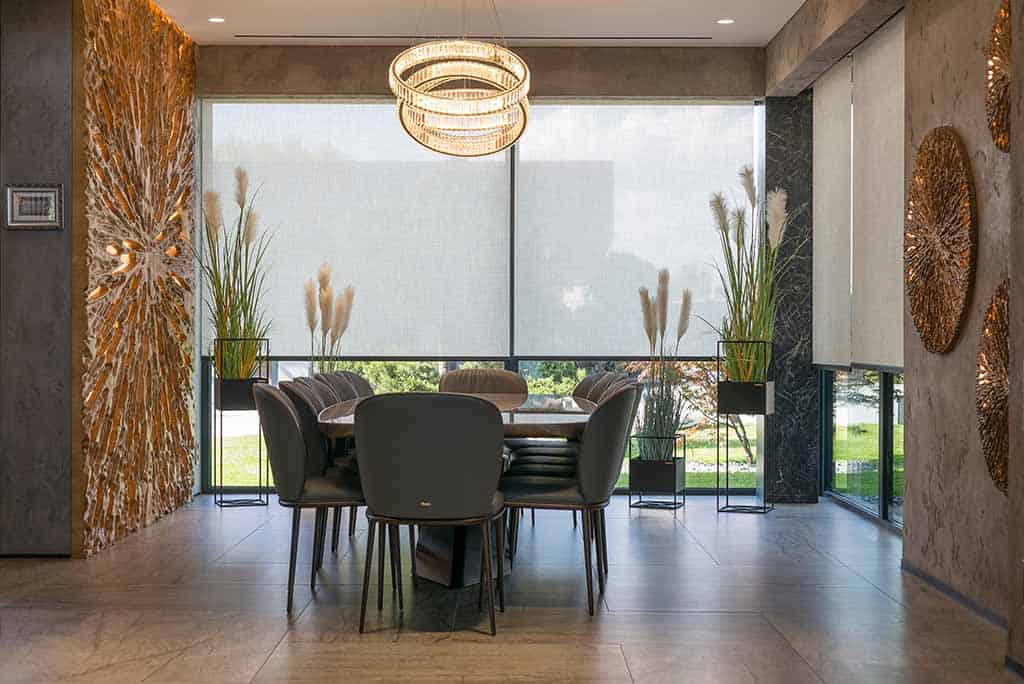
Consider how each room is used and select shades that enhance both the function and the style of the space. While it’s fine to vary your shades from room to room, sticking to a similar material or color family can help maintain visual cohesion throughout your home, even with different shades in each space.
3. Use Complementary Colors and Textures
What is the best color for window shades?
When mixing window shades across different rooms, using complementary colors and textures is key to creating a harmonious look. Shades in similar color families can add depth without clashing, while varied textures—like combining smooth fabric shades with woven wood—offer visual interest.
Many people ask us if shades should match window trim. They know they need to match their window shade color with something. The question is what?
To tie everything together, consider using shades that complement your furniture, wall colors, or flooring. This approach allows for flexibility without sacrificing cohesion, ensuring your shades enhance your home’s overall design while still allowing each room to maintain its own unique character.
4. Balance Consistency with Variety
Achieving the right balance between consistency and variety is essential when choosing window shades for your home.
While matching shades throughout can create a clean, unified look, too much uniformity may feel monotonous. Introducing subtle variations—like different shades in bedrooms versus living spaces—adds personality without disrupting the overall flow.
To maintain balance, stick with consistent elements such as color tone or material, even if the styles vary from room to room. This way, your home feels cohesive while allowing each space to stand out with its own distinct design.
5. Consider Practicality and Light Control Needs
When choosing window shades, practicality and light control should be top priorities. Different rooms have varying light requirements, so selecting the right shades can enhance both comfort and functionality.
For example, blackout shades are ideal for bedrooms, ensuring privacy and blocking out sunlight for better sleep. In living areas or kitchens, lighter shades can allow natural light to filter through while still providing some level of privacy.
Think about how you use each room and how much light you want to let in. Choosing shades that meet your practical needs ensures your home is both stylish and functional. Top of Form
Bottom of Form
Are you ready to choose window shades for your home? Schedule a Free In-Home Consultation Today!







Add comment