


Living Room Window Shades: How to Choose
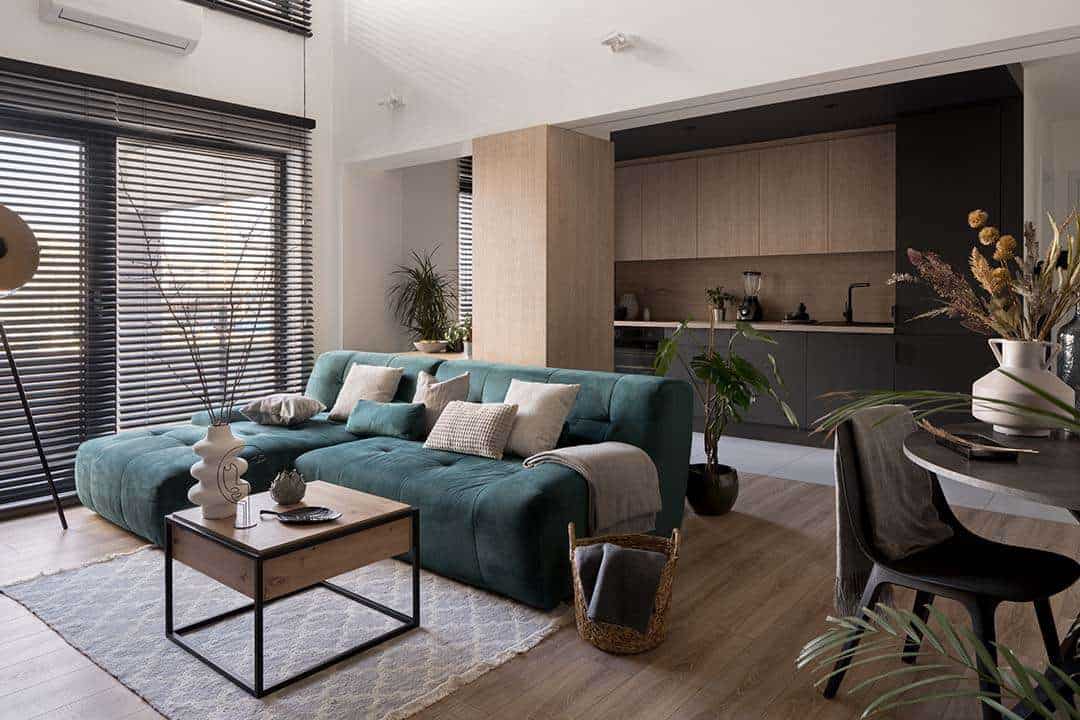
The living room asks more of a window than any other room. It needs daylight for most of the day, a way to cut glare on the TV, privacy in the evening and a look that suits the rest of the room. The right shade depends on which of those matters most, and in many living rooms the answer is a combination. This guide walks through what to decide first, the shade types that work best and how to make them easy to use.
Start With What the Room Needs
- Glare and heat: a west facing window or a large picture window can make a living room uncomfortable by late afternoon.
- Screens: glare on a TV is solved with a different shade than a view you want to keep.
- Privacy: street facing windows may need privacy at night, when lights inside make the glass see through.
- Insulation: big windows lose and gain heat, which matters if the room is hard to heat or cool.
- Darkness: some living rooms double as a place for movie nights.
The Best Shade Types for a Living Room
Roman shades
Roman shades fold into soft pleats and bring fabric into the room, which suits living rooms where the look matters as much as the function. Fabrics run from sheer to lined for more privacy. Browse our roman shades.
Roller and solar shades
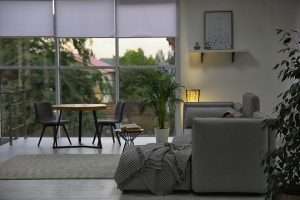
Roller shades have the cleanest look. A light filtering fabric softens the sun and keeps some privacy, while a solar screen fabric cuts glare and heat and keeps the view, which makes it a good fit for large windows and rooms with a TV. Browse our roller shades.
Cellular shades
Cellular shades trap air in hollow cells and insulate better than most other shades, with soft, even light. They suit living rooms that are hard to heat or cool. Our guide explains what they are made of, and you can browse our cellular shades.
Double roller shades
A double roller shade puts a light filtering fabric and a blackout fabric on one bracket, so the room can be bright by day and dark for a movie at night. See our double roller shades.
Wood blinds
Real wood blinds give a warm, natural look and tilt to direct the light precisely. See our wood blinds, and our guide to blinds versus shades explains how they compare with fabric shades.
Layering for a Finished Look
Many living rooms look best with two layers. A light filtering shade handles glare and privacy, and custom drapery on top adds softness and color. A double roller shade gives you two layers on one window with a single bracket. Layering also gives you two ways to control the light through the day.
Choose the Fabric Carefully
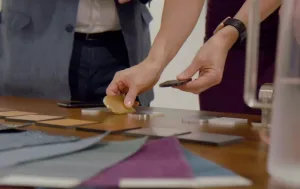
Fabric opacity matters more than color for light control. A sheer or solar fabric lets the view through, a light filtering fabric softens the light and keeps some privacy, and a blackout fabric darkens the room. Lighter fabrics keep a room feeling bright, and neutral tones are easier to live with when the furniture or paint changes later.
Make Them Easy to Use
Living room windows are often large or tall, which makes them a good place for a motor. Motorized shades open and close with a remote, a wall keypad, a schedule, an app or voice commands, and battery powered motors need no wiring. Our guides cover whether motorized shades are worth it, what they cost and how long the batteries last.
Measure and Mount
The fit depends on accurate measurements and on whether the shade mounts inside the frame or outside it. Our guide to measuring your windows for new shades explains both, and Shade.Shop measures for free across Sonoma, Napa and Marin.
Quick Picks
- TV glare: solar or light filtering roller shades.
- A large view you want to keep: solar shades.
- A room that is hard to heat or cool: cellular shades.
- Movie nights: double roller shades or blackout roller shades.
- A soft, finished look: roman shades with drapery.
Frequently Asked Questions
What are the best window shades for a living room?
It depends on the room. Solar and light filtering roller shades suit glare and views, roman shades suit a soft look, cellular shades suit insulation and double roller shades suit rooms that need both daylight and darkness.
Should living room shades be light filtering or blackout?
Most living rooms do well with light filtering or solar fabrics, because they keep daylight. Blackout is useful for rooms used for movies, or as the second layer of a double roller shade.
Can I use shades and drapery together?
Yes. A shade handles light and privacy, and drapery adds softness and color on top.
Are motorized shades worth it for a living room?
Often, because living room windows are large or tall. Our guide on whether motorized shades are worth it explains how to decide window by window.
Not sure which shade suits your living room? Contact us for a free in-home consultation and measuring visit across Sonoma, Napa and Marin.



Add comment