

How Do Window Shades Actually Work?
A window shade looks simple: a piece of fabric that goes up and down. Behind that simple move there is a small mechanism, and the type of mechanism decides how the shade feels, how long it lasts and how well it fits your home. This guide explains how the main kinds of shades work, what the lift systems do and what to ask before you choose one.
The three parts every shade has
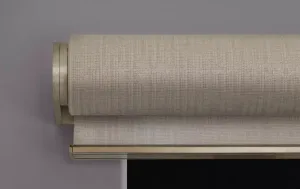
Almost every shade is built from the same three parts. The headrail or tube sits at the top and holds the mechanism. The fabric does the work of controlling light, privacy and heat. The bottom rail is a weighted bar that keeps the fabric straight. What changes from one shade to the next is how the fabric is gathered and what moves it.
How a roller shade works
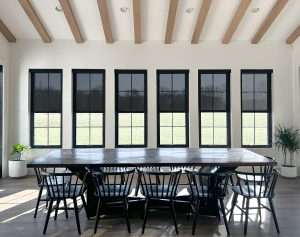
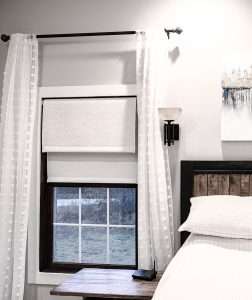
A roller shade is one flat panel of fabric wrapped around a tube. When the tube turns one way, the fabric winds up. When it turns the other way, the fabric unrolls under its own weight. A clutch inside the end of the tube holds the shade at any height you stop at, so it stays where you leave it.
That is why roller shades are the simplest custom shade and the easiest to keep clean. You can see the range in our roller shades collection, from light filtering to blackout fabrics.
How a cellular shade works
A cellular shade, also called a honeycomb shade, is made of pleated fabric formed into rows of small air pockets. When you raise it, the pleats fold flat and stack together at the top. The air pockets are the point of the design: they slow the movement of heat through the window, which is why cellular shades are known for comfort. Our guide on what cellular shades are goes through the details, and the materials guide explains what the fabric is made of.
How a Roman shade works
A Roman shade is a soft fabric panel with horizontal rods or stitched folds on the back. Thin cords run through small rings along those folds. When you pull the cords, the fabric draws up into neat, even folds. When you release them, the shade drops flat. The result looks closer to drapery than to a blind, which is why Roman shades are popular in living rooms and dining rooms. You can look at the Roman shades page for fabrics and styles.
How solar shades and blackout shades differ
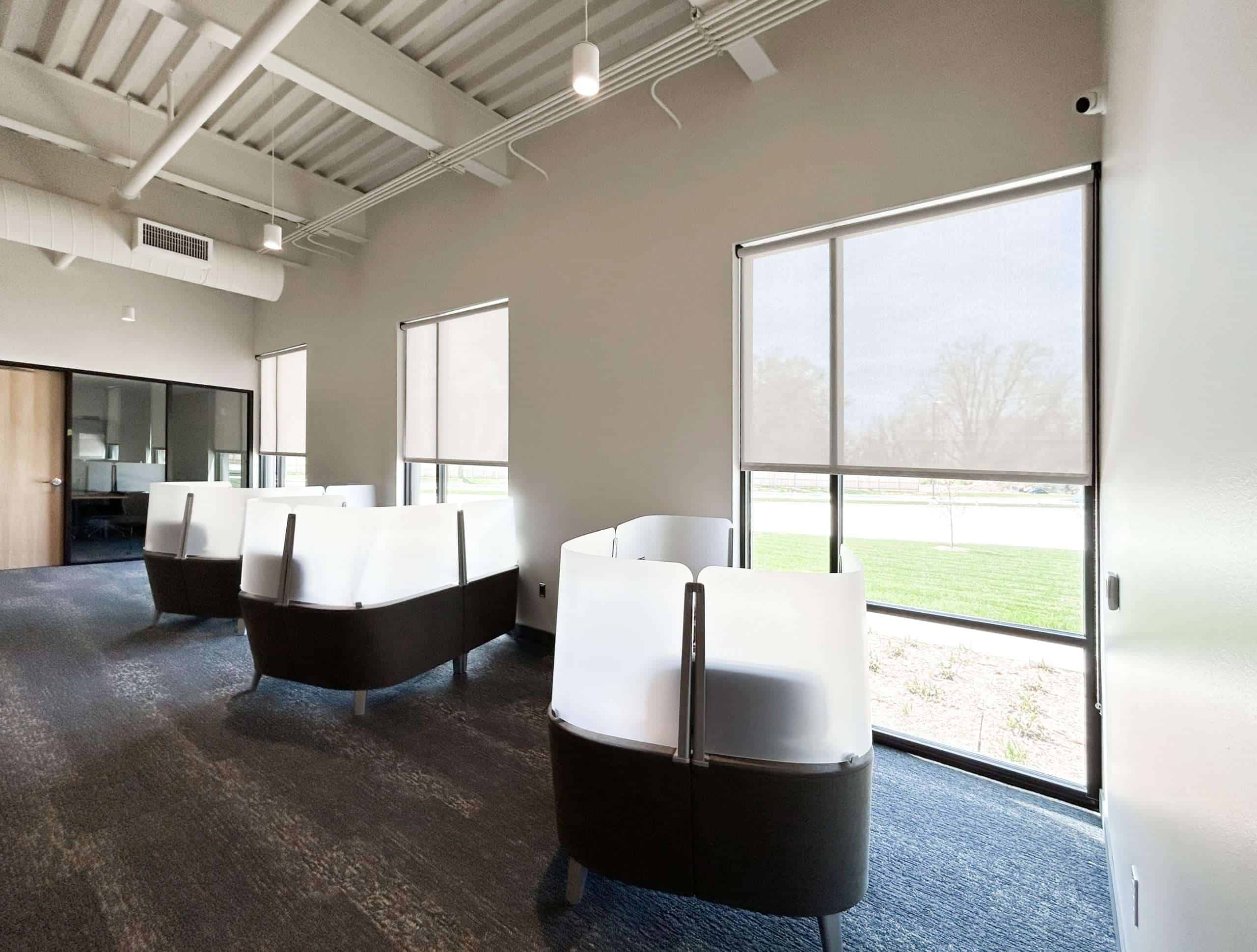
These two use the same roller mechanism but different fabrics. A solar shade is a woven screen with tiny openings, so it cuts glare and heat while you keep your view. A blackout shade is a solid fabric that blocks nearly all light. Our guides explain how solar shades work and how shades help to reduce heat gain through windows. If you want both on one window, a double roller shade puts two fabrics on one headrail.
The four ways a shade is lifted
- Chain or cord loop. A continuous loop turns the clutch and the tube. It is durable and works well on wide or heavy shades. Keep the loop out of reach of children.
- Cordless. A spring inside the shade balances the weight of the fabric. You lift or lower the bottom rail by hand and it stays where you place it. There are no cords to tangle, which makes it a common choice for bedrooms and nurseries.
- Wand. A short rod attached to the shade lets you raise it from a distance. It suits tall windows you can reach only from below.
- Motor. A small motor sits inside the tube and turns it on command. It is the right answer for very wide, very tall or hard to reach windows.
How a motorized shade works
A motor sits inside the tube and turns it when it receives a signal. The signal can come from a remote, a wall switch, a phone app, a schedule or a voice assistant, depending on the system. Power comes from a rechargeable battery or from a low voltage wire in the wall. Battery shades are easier to install in an existing home, while wired shades suit new construction and remodels. Our guides cover what motorized shades cost, battery life and care and whether they can be operated by hand. The motorized shades page shows the options we install.
What decides how a shade performs
- The fabric. Light filtering, solar, blackout and cellular fabrics control light and heat in different ways.
- The mount. A shade can sit inside the window frame for a clean look or outside the frame to cover more of the wall and block more light around the edges.
- The fit. A shade that is cut to your exact measurements sits straight, closes fully and operates smoothly. A shade that is slightly off can bind, leave gaps or hang crooked.
- The lift. Match the lift to the window. Hard to reach windows are the best candidates for a motor, and bedrooms benefit from cordless.
Why measuring matters so much
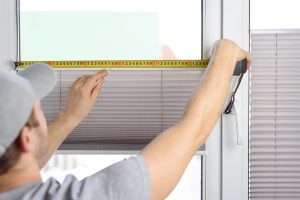
The mechanism works only as well as the fit. Brackets must line up with the tube, and the fabric must clear the frame on each side. That is why we measure before ordering. Our guide on how to measure your windows for new shades shows how to do it yourself, and Shade.Shop offers free in home measuring across Sonoma, Napa and Marin so the numbers are right before anything is ordered.
Choosing between the options
Start with what you want from the window. If you want to control light and keep a clean look, a roller shade does it with the fewest moving parts. If comfort matters most, look at cellular shades. If you want a softer, more decorative look, choose a Roman shade. Then pick the lift: cordless for rooms where safety matters, a chain for heavy or wide shades, a motor for tall or hard to reach windows. Our price guide compares what each option adds to the cost, and the difference between blinds and shades is a good next read if you are still weighing both.
Frequently asked questions
How does a roller shade stay up?
A clutch in the end of the tube holds the shade at the height where you stop. Cordless roller shades use a spring to balance the weight of the fabric instead.
Are cordless shades safer?
Cordless shades have no loose cords, so they remove the main hazard for children and pets. They are a standard choice for bedrooms, nurseries and family rooms.
Do motorized shades need wiring?
Not always. Many motorized shades run on a rechargeable battery and need no wiring. Wired low voltage motors are an option for new construction and remodels.
What happens to a motorized shade if the power goes out?
Battery powered shades keep working until the battery runs low. Some motorized shades can also be moved by hand. Our guide on operating motorized shades manually covers how.
How do I choose a fabric?
Look at swatches in your own window. Color and openness look different in your own light than on a screen. You can order free swatches and see how they behave through the day.
Want to see how the different shades work in your own home? Book free in home measuring anywhere in Sonoma, Napa and Marin, and we will bring samples, show you the lift options and talk through each window.